
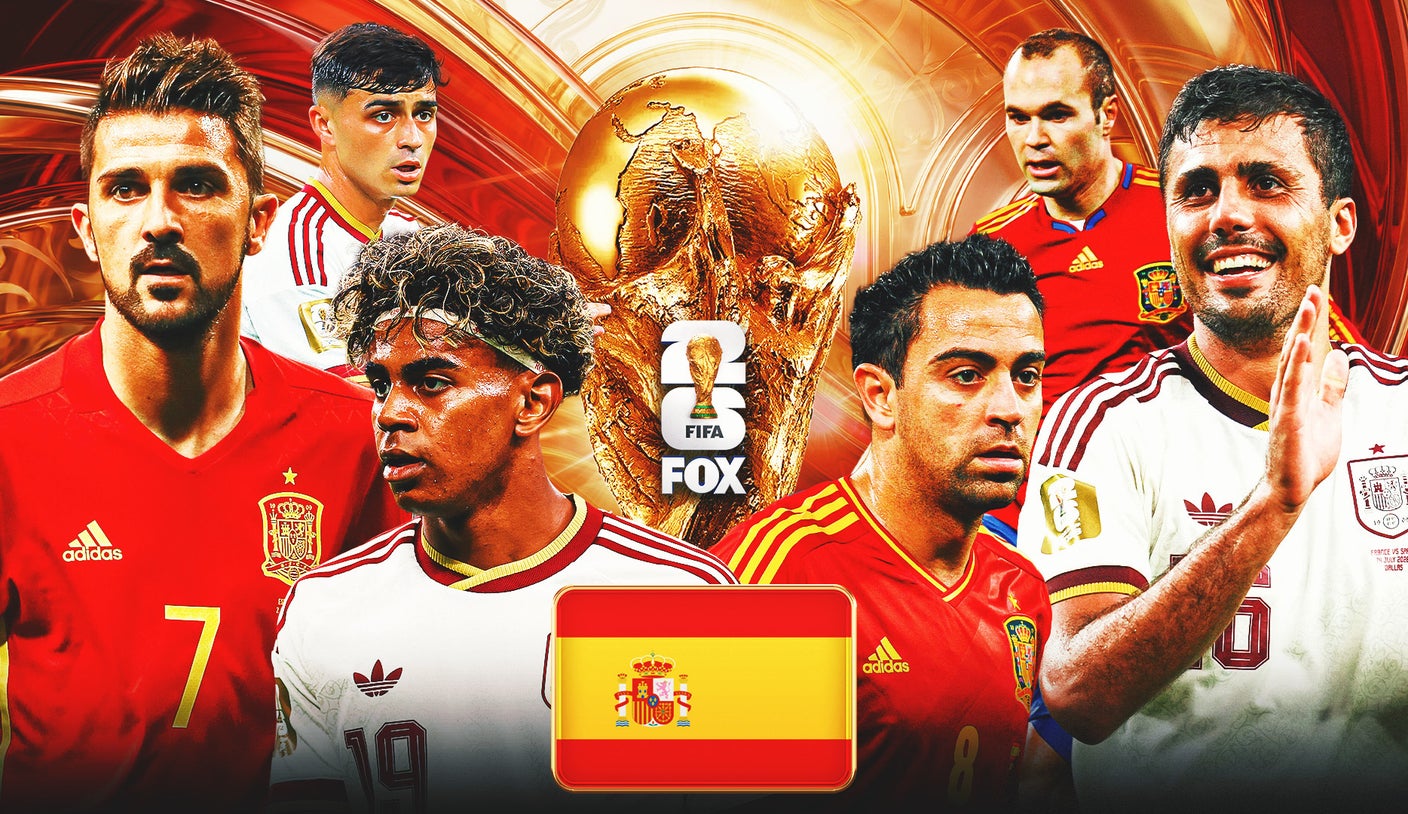
Spain winning the 2026 FIFA World Cup puts this generation in the conversation with some of the greatest national teams in history.
No team had followed a European Championship title with a World Cup victory since Spain did it by winning Euro 2008 and the 2010 World Cup. That legendary Spanish side then completed an unprecedented three-peat by winning Euro 2012.
Those Spain teams are widely recognized among the greatest national sides in football history. But this current generation is starting to make its own case and will enter Euro 2028 with an opportunity to match that historic run of three consecutive major tournament titles.
Let’s make a combined XI between Spain’s 2026 and 2010 World Cup-winning teams.
Goalkeeper: Unai Simón vs. Iker Casillas
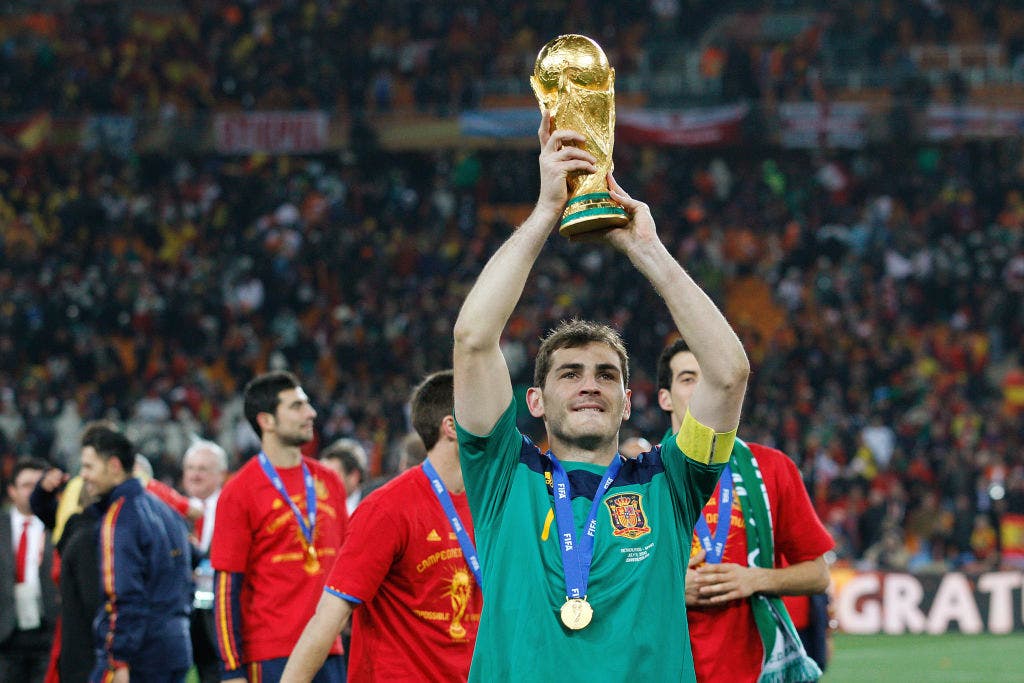
Both goalkeepers had incredible tournaments and earned the Golden Glove.
Simón made history with seven clean sheets, the most by a goalkeeper at a single World Cup. He also conceded only one goal throughout Spain’s entire campaign, the fewest ever allowed by a World Cup-winning team.
Casillas gets the nod because of his overall pedigree and because he was simply the better goalkeeper at his peak. He conceded only two goals in 2010, kept five clean sheets and made one of the biggest saves in World Cup final history when he denied Arjen Robben with his outstretched foot.
Simón had the better statistical campaign, but Casillas remains Spain’s greatest goalkeeper.
Left Back: Marc Cucurella vs. Joan Capdevila
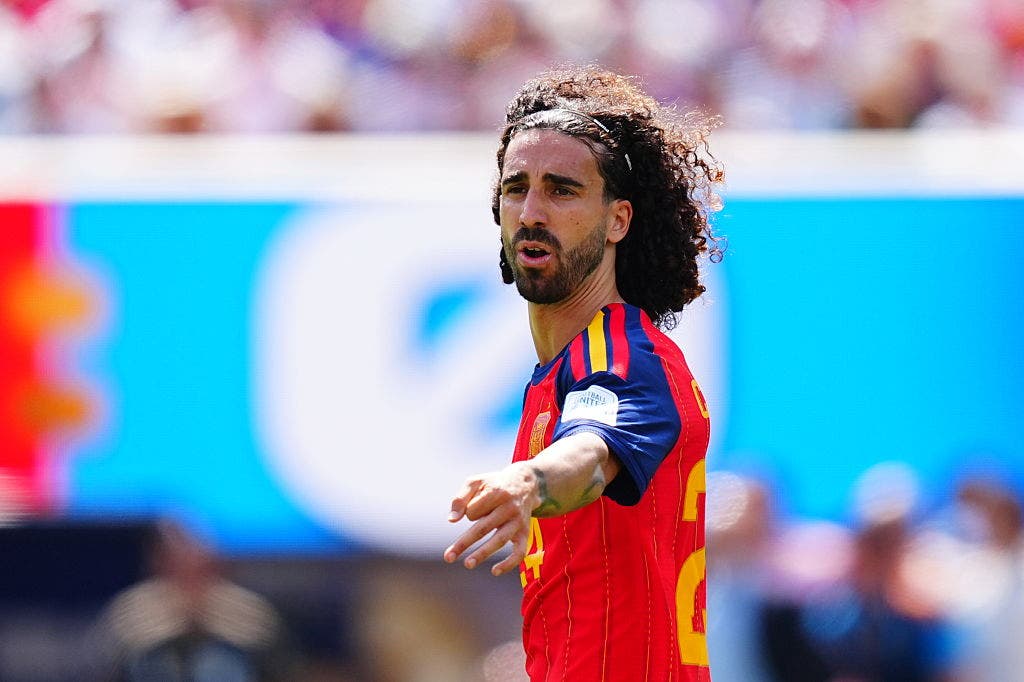
Cucurella came into this tournament as one of the best left backs in the world and continued to show it. He provided defensive stability while also being an important presence in attack, giving Spain energy up and down the left flank.
Capdevila was not one of the more glamorous names in Spain’s 2010 side, but he was an incredibly consistent player. He started every game during Spain’s World Cup-winning campaign and also started five of its six matches at Euro 2008, only sitting out the final group-stage match against Greece.
But Cucurella gets the nod as the better overall left back.
Center Back: Pau Cubarsí vs. Carles Puyol
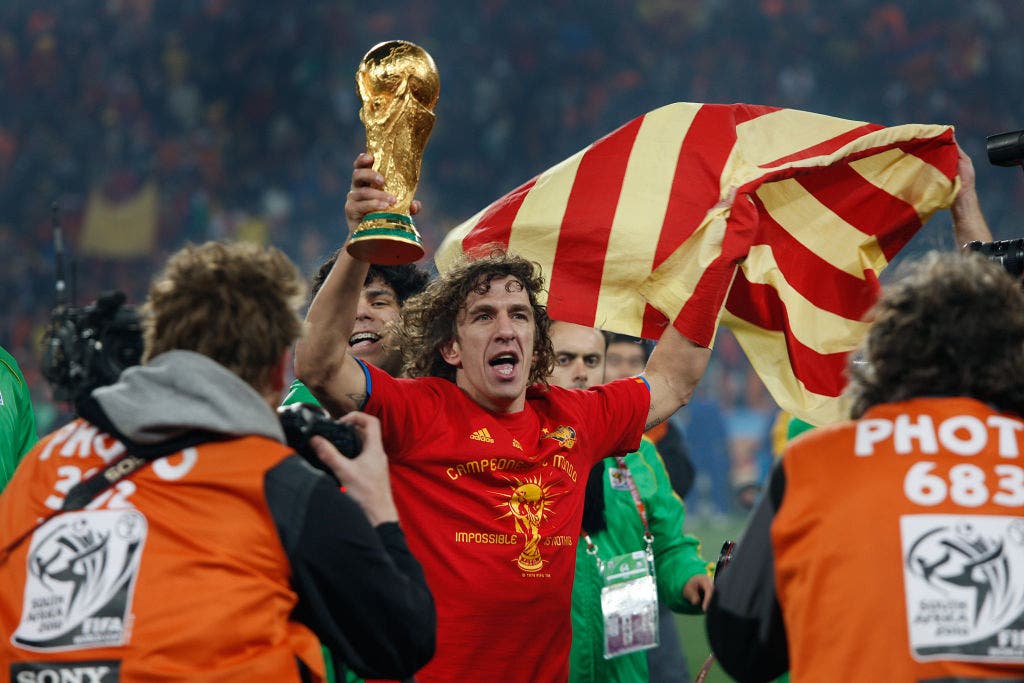
Cubarsí winning the World Cup as a teenager while starting at center back is a remarkable story. His composure and ability to play out from the back were critical to a Spanish team that conceded only one goal.
But Puyol was the true leader of Spain’s 2010 side, anchoring the back line with his physicality, commitment and defensive awareness. He also scored the decisive header against Germany in the semifinal to send Spain to its first World Cup final.
Cubarsí may eventually build a legendary career of his own, but Puyol gets the clear nod here.
Center Back: Aymeric Laporte vs. Gerard Piqué
Laporte turned back the clock during this World Cup. The Saudi Pro League defender was pivotal for Spain, playing the experienced role next to the teenage Cubarsí and helping lead one of the greatest defensive campaigns in World Cup history.
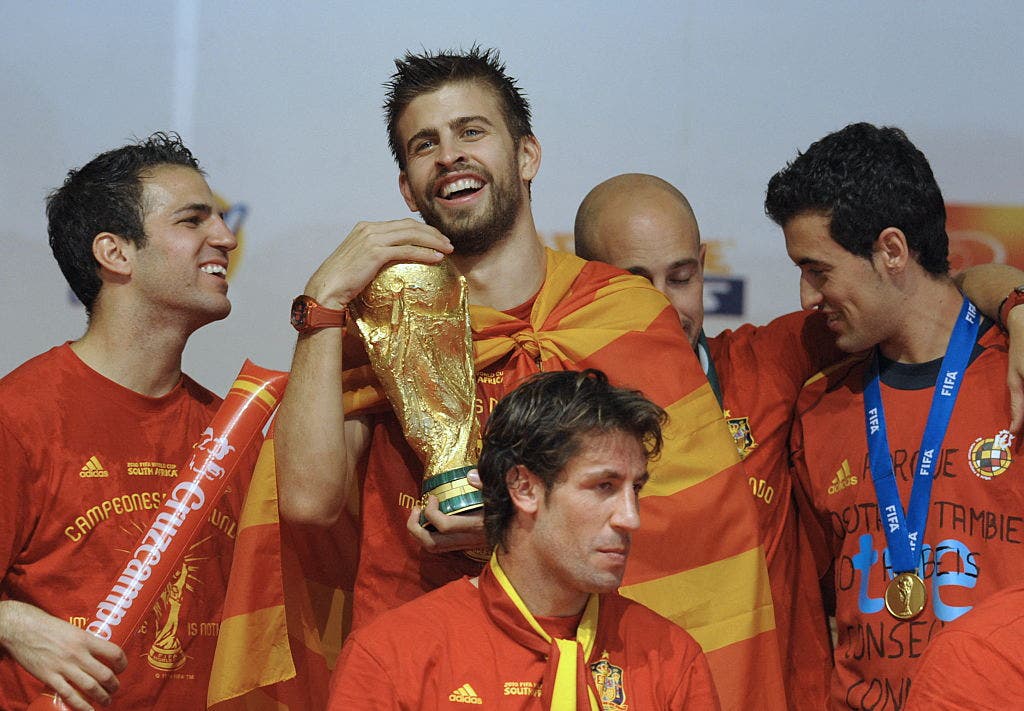
Piqué gets the nod, though. Despite the 2010 World Cup being his first major international tournament for Spain, he immediately established himself as a key part of the starting lineup and formed an elite partnership with Puyol.
His composure on the ball, reading of the game and ability to defend in a high line made him the ideal center back for that Spanish side.
Right Back: Pedro Porro vs. Sergio Ramos
Porro had a strong World Cup, providing value on both sides of the ball and scoring Spain’s second goal in the 2-0 semifinal victory over France.
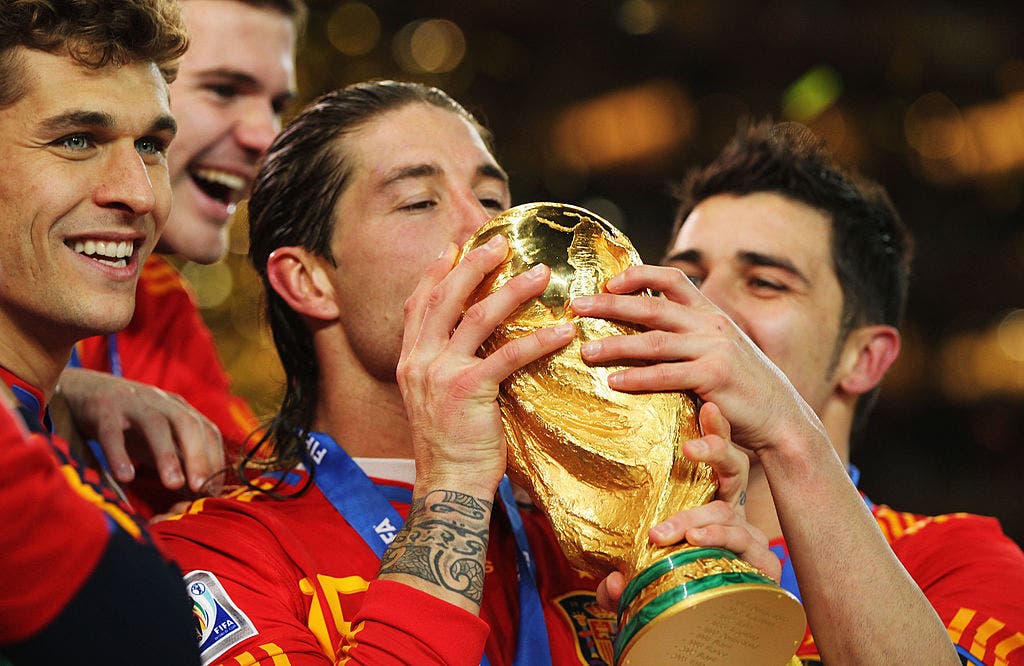
But Ramos gets the nod as one of the defensive cornerstones of Spain’s golden generation. He was defensively reliable while also offering tremendous value going forward.
Ramos remarkably completed 31 dribbles at the 2010 World Cup, more than any other player in the tournament, despite playing at right back.
Porro had a great campaign, but this one belongs to Ramos.
Defensive Midfield: Rodri vs. Xabi Alonso
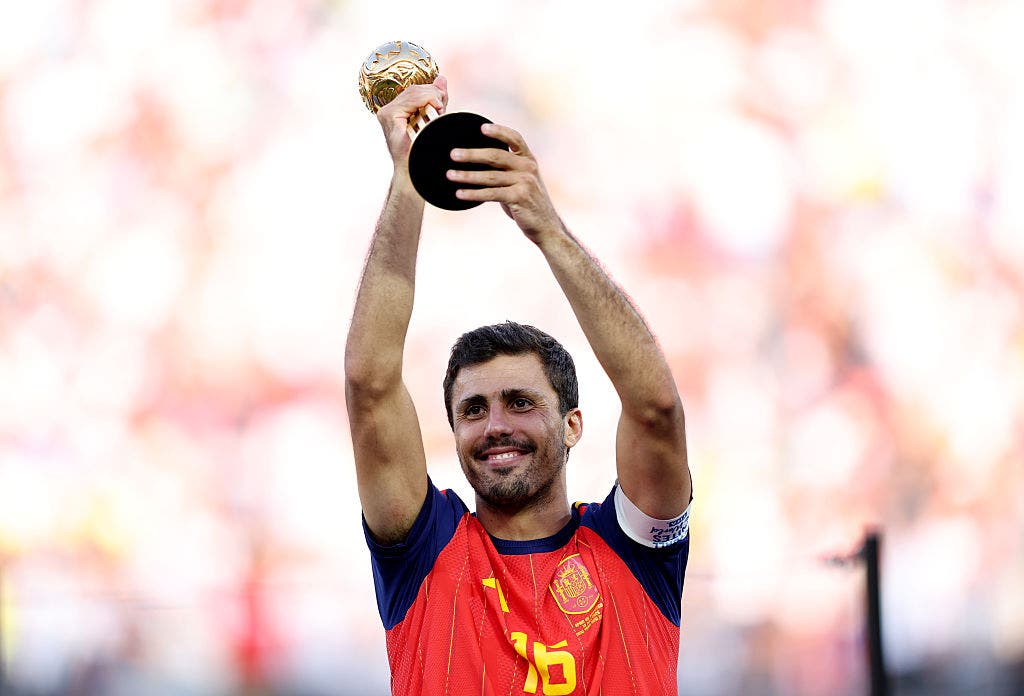
Rodri gets the nod after winning the Golden Ball at the 2026 World Cup, just two years after being named Player of the Tournament at Euro 2024.
He served as the metronome for this Spanish side, dictating the tempo, controlling possession and constantly making the correct decision. After returning from a serious knee injury, Rodri once again showed why he is one of the best midfielders in the world.
Xabi Alonso was a fabulous midfielder for Spain and an important member of the Euro 2008, 2010 World Cup and Euro 2012-winning teams. His passing range, positioning and ability to control matches from deep were crucial to that midfield.
But Rodri’s peak and importance to this 2026 side give him the edge.
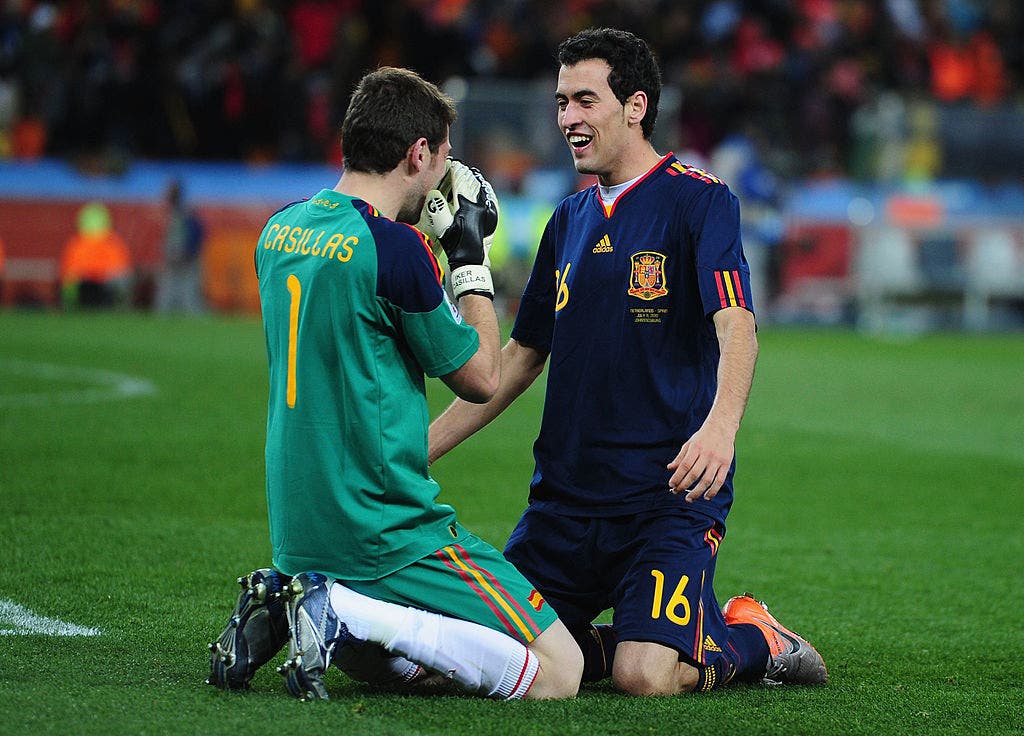
Defensive Midfield: Fabián Ruiz vs. Sergio Busquets
Fabián gave Spain a different profile after Luis de la Fuente introduced him into the starting lineup during the knockout stage. His ability to carry the ball forward and cover ground next to Rodri added more dynamism to the midfield.
But Busquets gets the clear nod.
Like Rodri for the 2026 side, Busquets served as the metronome for Spain in 2010. He dictated the tempo, protected the defense and played with composure far beyond his years during his first major international tournament.
Busquets allowed Xavi and Iniesta to play with more freedom and was one of the most important tactical pieces in Spain’s success.